Hidden Heat Panels in Sugar House: Invisible Ice Dam Protection for Historic Craftsman and Bungalow Homes
Hidden Heat Panels in Sugar House: Invisible Ice Dam Protection for Historic Craftsman and Bungalow Homes
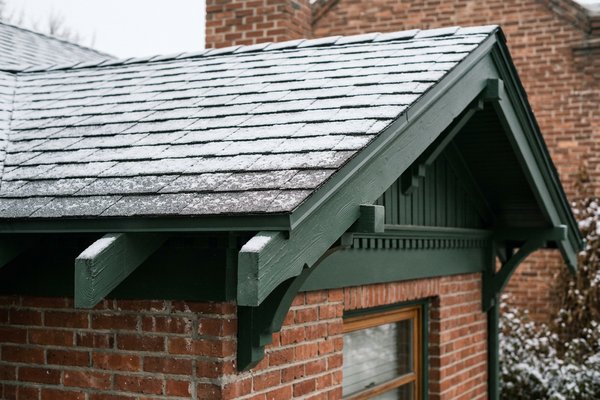
Sugar House is one of Salt Lake City’s most architecturally distinctive neighbourhoods. Its streets are lined with carefully preserved craftsman bungalows, brick foursquares, and early twentieth-century homes where the original rooflines, eave profiles, and exterior details are part of the character that makes the neighbourhood what it is. For many homeowners — and for Sugar House HOAs and historic review committees — visible heat cables along the roofline are simply not acceptable, regardless of their protective benefits.
Hidden Heat aluminium panel systems solve this problem completely. These systems install entirely under the first row of shingles, with no visible cables, clips, or hardware on the exterior roofline. The protection is identical to traditional heat cable — but from the street, your Sugar House home looks exactly as it did before installation.
How Hidden Heat Panel Systems Work
Hidden Heat panels are aluminium extrusions designed to be installed under the first course of shingles along the eave edge. A thin heating element embedded in the aluminium panel warms the eave zone uniformly from below the shingles, melting snow and creating a drainage path without any visible indication of the system from the exterior.
Key Technical Features
- Panel installation: Slides under the first row of shingles during a standard installation process — no roof removal or major disruption required
- Heating element: Embedded self-regulating element within the aluminium extrusion
- Heat distribution: Aluminium’s high thermal conductivity distributes heat evenly across the entire eave width — no cold spots between cable loops
- Operating voltage: Available in 120V and 240V configurations
- Controller options: Thermostat control or automatic temperature-and-moisture sensor activation
Why Aluminium Panels Outperform Visible Cable on Eaves
| Feature | Hidden Heat Aluminium Panel | Visible Zigzag Heat Cable |
|---|---|---|
| Exterior visibility | None — completely concealed | Visible black cable loops on shingles |
| Heat distribution | Uniform — full eave width covered | Partial — only cable contact points heated |
| HOA and historic approval | Typically straightforward | May require variances or be denied |
| Shingle wear | Minimal — smooth aluminium contact | Cable clips create localised pressure points |
| Installation disruption | Low — first shingle row only | Moderate — full eave access required |
| Typical cost premium | 20–35% over standard cable | Baseline cost |
Who Needs Hidden Heat Panels in Sugar House
Historic District Homeowners
Properties within Sugar House’s historic overlay zones may be subject to historic review board approval for visible exterior modifications. Hidden Heat panel systems are specifically designed to comply with historic preservation guidelines — they require no visible hardware, do not alter the roofline profile, and have been approved on properties across the Salt Lake Valley historic districts.
HOA-Governed Properties
Sugar House HOAs that restrict visible cable installations on exterior rooflines routinely approve Hidden Heat panel systems. We provide professional drawings, specifications, and installation photos to support the approval process, and most applications are approved within 7–21 days.
Homeowners Who Simply Value Aesthetics
Even without formal HOA or historic restrictions, many Sugar House homeowners choose Hidden Heat panels simply because they prefer their home’s roofline to remain unchanged. For homes where kerb appeal and architectural integrity matter, hidden installation is the right choice.
The Installation Process for Sugar House Historic Homes
Step 1 — Pre-Installation Assessment
We inspect the existing eave condition, shingle type, and fascia geometry to confirm compatibility with the Hidden Heat panel system. Most standard asphalt shingle roofs on Sugar House homes are fully compatible.
Step 2 — HOA or Historic Documentation (if Required)
We prepare and submit professional drawings and specifications for any required review board approvals before scheduling installation.
Step 3 — Panel Installation
Working carefully along the eave, we lift the first row of shingles, slide the aluminium panels into position, and re-lay the shingles over them. The panels are completely invisible when installation is complete.
Step 4 — Electrical Connection and Testing
All panels are wired to a dedicated GFCI circuit and tested before completion. Thermostat or automatic controller installation is completed in the same visit.
Cost of Hidden Heat Panel Installation in Sugar House
Hidden Heat panel systems cost approximately 20–35% more than standard visible cable systems, reflecting the higher material cost of the aluminium panel extrusions and the additional precision required during installation. For a typical Sugar House craftsman home, total installed cost ranges from $3,000–$8,500 depending on eave length, number of zones, and electrical requirements.
Frequently Asked Questions
Will Hidden Heat panels void my shingle warranty in Sugar House?
When installed by a certified professional using the manufacturer’s approved process, Hidden Heat panel installation does not void standard shingle warranties. We document our installation process and provide certification paperwork for your warranty records.
How long do Hidden Heat aluminium panels last on a Sugar House home?
Quality aluminium panel systems are rated for 15–25 years. Because the heating element is embedded in corrosion-resistant aluminium rather than exposed on the roof surface, they are better protected from UV degradation and mechanical damage than exposed cable systems.
Can Hidden Heat panels be installed on my Sugar House home without removing shingles?
Yes. Installation requires only that the first row of shingles be carefully lifted — they are not removed, cut, or replaced in most cases. The panels slide under the existing shingle course, which is then re-seated over them. This minimises disruption and cost.
Preserve Your Sugar House Roofline While Protecting Your Home
Hidden Heat aluminium panels are the premium solution for Sugar House homeowners who refuse to compromise on aesthetics. Your historic bungalow or craftsman home deserves protection that works as well as it looks — and with Hidden Heat, no one can tell the difference from the street.
Get your hidden heat panel consultation at sugarhouseheattape.com
